 Binance TR review
 Bitkub review
 Indodax review
 Japan
 South Korea
 Taiwan
 Hong Kong
 Philippines
 Vietnam
 Malaysia
 Singapore

On this page
The short answer
You buy LUNC in two moves. First you get USDT, the dollar stablecoin that almost every exchange accepts. Then you send that USDT to an exchange that runs a live LUNC market, trade it for LUNC and, ideally, withdraw the coins to a wallet you control. There is no single app that sells Terra Classic to everyone in Asia, and very few places sell it for local cash.
That second point surprises people. LUNC is the coin of the old Terra chain that collapsed in May 2022 (the crash history explains why), and many regulated local exchanges never relisted it. Only three local-currency order books exist in our region: Turkish lira on Binance and Binance TR, Thai baht on Bitkub, and Indonesian rupiah on Indodax. Everywhere else, from Seoul to Manila, the route runs through USDT. If you are not sure what you are buying yet, read what LUNC is first, then come back.
Step by step, from cash to wallet
1. Get USDT
If your local exchange sells USDT for your currency by bank transfer, that is usually the cheapest start. If it doesn’t, a card purchase on a long-running international exchange works too. CEX.IO, which has operated since 2013, accepts Visa and Mastercard cards and Apple Pay or Google Pay after identity verification. Cards in local currencies are converted at your bank’s rate, so expect your issuer’s FX margin on top. Be clear about one thing: CEX.IO does not currently offer Terra Classic trading. Its own LUNC page says the asset “took a little vacation” from the platform. You use it for USDT, not for LUNC.
CEX.IO is not available in Japan, Singapore or India, and it no longer onboards new EU or EEA users. In other Asian markets its services come from CEX OVRS LLC, a company registered in St Kitts and Nevis, not from a locally licensed entity. Check its supported-countries list before you sign up.
2. Send USDT to a venue that lists LUNC
Open an account on an exchange with a working LUNC market and finish its identity checks. Our LUNC exchanges guide lists the venues, their pairs and their delisting history. On the deposit screen, choose USDT, pick a network that both sides support and copy the address. The network on the sending side must match the receiving side exactly. Send a small test first, wait for it to arrive, then send the rest.
3. Pick the right pair
Most liquidity sits in LUNC/USDT. If you hold lira, baht or rupiah on a local exchange, a direct local pair saves you a conversion: LUNC/TRY on Binance TR, LUNA_THB on Bitkub (yes, that ticker is Terra Classic) and LUNC/IDR on Indodax. Always sanity-check the price against the live board on our LUNC price page. Terra Classic trades at a tiny fraction of a cent, while Terra 2.0 LUNA trades at a few cents. A price that is about a thousand times too high means you are on the wrong coin.
4. Place the order
A market order fills instantly at the best available prices, which is fine on Binance’s deep LUNC/USDT book. On thin books, such as Indodax’s LUNC/IDR or a small regional venue, use a limit order so you don’t pay a wide spread. Check the minimum order size before you click: 10 Thai baht on Bitkub, 10 Turkish lira on Binance TR, 5 USDT on Binance TH and Tokocrypto, and Rp10,000 on Indodax’s rupiah pair. Exchanges can change these limits.
5. Check withdrawals, then move to your wallet
Before you buy, not after, look at the LUNC withdrawal page. When we checked, Binance and Binance TH both showed LUNC withdrawals disabled with a “wallet maintenance” note, while deposits still worked. That can change at any time, but it means the coins could sit on the exchange longer than you planned. When withdrawals are open, send LUNC to a native Terra Classic wallet such as Galaxy Station, the community successor to Terra Station. Our LUNC wallets guide walks through setting one up. Native addresses always start with terra1.
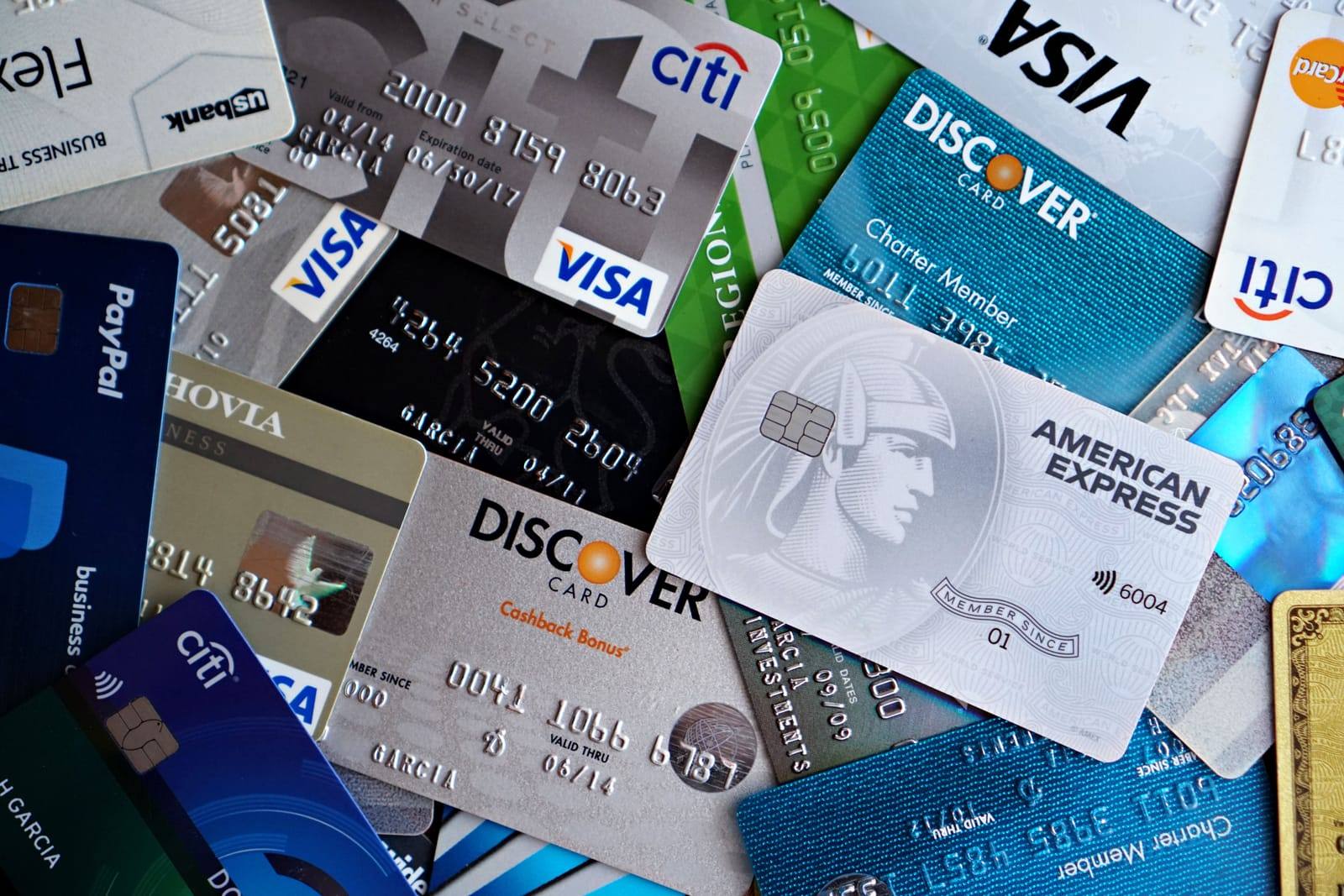
Card first, coin second
Your card buys the stablecoin. The LUNC trade happens on an exchange that actually lists Terra Classic.
Routes by country
The same five steps apply everywhere, but the local details change a lot. Some countries have a licensed venue with a LUNC market. Others have none, which pushes buyers offshore and into regulatory grey zones. The table below summarises what we found on exchange APIs and regulator registers. Each country guide in our Asia hub goes deeper.
| Market | Local route | LUNC pair | Watch out for |
|---|---|---|---|
| Turkey | TRY bank transfer to Binance TR | LUNC/TRY | SPK list is provisional, not a licence; BtcTurk “LUNA” is Terra 2.0 |
| Thailand | PromptPay to Bitkub or Binance TH | LUNA_THB (Bitkub), LUNC/USDT | Binance TH LUNC withdrawals were paused when checked |
| Indonesia | IDR to Indodax, Tokocrypto or Bittime | LUNC/IDR, LUNC/USDT | IDR book is thin; Pintu delisted LUNC |
| Vietnam | VND to USDT (P2P), then offshore | LUNC/USDT | No licensed exchange yet; Decree 284 fines come later |
| South Korea | KRW to USDT, then offshore | LUNC/USDT | No Korean exchange relisted LUNC since 2022 |
| Philippines, Malaysia, Taiwan, Hong Kong | Local currency to USDT, then offshore | LUNC/USDT | No licensed local venue lists LUNC |
| Japan, Singapore | No licensed route found | — | See the note below |
Turkey has the biggest local market. Binance’s LUNC/TRY book is the world’s largest fiat pair for Terra Classic, and Binance TR shares that order book, so a lira bank transfer to Binance TR and a direct LUNC/TRY order is the shortest route. That is also the answer to “binance lunc alma” searches. Read our Binance TR review and the Bitlo review (USDT pair only). Under MASAK rules, withdrawals can be delayed for 48 hours after a deposit or purchase, and longer for the first one.
Thailand has Bitkub’s LUNA_THB market, which is Terra Classic despite the ticker, plus LUNC/USDT on Binance TH. Both are SEC-licensed venues, which matters for the 2025–2029 personal income tax exemption on crypto gains, as that applies to trades through licensed businesses. See the Bitkub review and the Binance TH review.
Indonesia is the only market where LUNC sits on the official tradable-asset list (CFX code LUNC-1183). Cara beli LUNC in short: deposit rupiah on Indodax for the LUNC/IDR pair, or buy USDT and use LUNC/USDT on Tokocrypto or Bittime. The rupiah book is very thin, so limit orders are a must.
In the remaining markets the honest answer is that no licensed local exchange lists LUNC. Buyers convert local currency to USDT, then trade on an offshore exchange. Those exchanges are not registered with your local regulator, so you lose local investor protection and may break local rules. Read your country guide before you take that step.

Step one is the same everywhere: USDT
Buy USDT by card, then send it to an exchange that lists LUNC. The exchange behind this button sells USDT but does not trade LUNC, and it does not serve Japan, Singapore or India.
Ticker traps
The single most expensive mistake is buying the wrong coin. Before May 2022 Terra’s coin was called LUNA. After the crash, the old chain became Terra Classic and its coin was renamed LUNC, while a brand-new chain, Terra 2.0, took the LUNA name. Exchanges did not all follow the same naming. Kraken, Bitkub and Bitvavo still list Terra Classic under the old ticker LUNA. Binance, OKX, BtcTurk, KuCoin, Indodax and Tokocrypto use LUNA for Terra 2.0 and LUNC for Terra Classic. Our LUNC vs LUNA comparison explains how the two coins differ.
Two more traps catch careful buyers too. Wrapped Terra Classic tokens on BNB Chain and Ethereum carry the on-chain symbol LUNA, not LUNC, and anyone can deploy a fake token called “LUNC”. Our wrapped LUNC guide lists the genuine contract addresses. Aggregators can also mislabel markets: one rupiah “LUNA” market shown on a major data site at hundreds of rupiah is Terra 2.0, not LUNC. The rule is simple. Check the price magnitude before every order.
 Check the ticker
What it really costs
A LUNC purchase carries four kinds of cost, and the trading fee is often the smallest. First comes the on-ramp: card conversion at your bank’s FX rate, or a P2P premium if you buy USDT from another person. Second, the USDT network fee when you move funds between exchanges, which depends on the network you pick. Third, the trading fee itself. Indodax lists 0.10% maker and 0.20% taker on its rupiah pair, Bitkub reportedly charges 0.25%, and Binance TH lists 0.10% on its crypto pairs. Indonesian trades also carry final income tax and exchange levies.
The fourth cost is unique to Terra Classic: the on-chain burn tax. Since governance proposal 12223 passed on 2 August 2026, the chain charges 1.5% on taxable transfers, of which 1.2% is burned and the rest goes to the community and oracle pools. Trades on an exchange’s order book happen off-chain and don’t pay it, but deposits to and withdrawals from exchanges do, on top of the exchange’s own withdrawal fee. Governance can change the rate by vote.
A worked example makes it concrete. If you withdraw 1,000,000 LUNC from an exchange, roughly 15,000 LUNC goes to the chain tax, and about 12,000 of that is burned. On Binance TH you would also pay its fixed fee of 22.66 LUNC, and you cannot withdraw less than 25,000 LUNC there. Small purchases may therefore be cheaper to leave on a reputable exchange until you have enough to move in one go. If you plan to stake, our staking guide shows why moving off the exchange can still be worth it.
Buying LUNC for Trust Wallet
Many people search for how to buy LUNC on Trust Wallet. Trust Wallet can hold native Terra Classic and even stake it, though its staking page shows an APR far above what the chain actually pays. For buying, the dependable path is the exchange route above. Buy LUNC on an exchange, then withdraw to the Terra Classic address shown in Trust Wallet, which starts with terra1. We have not verified any in-app card provider that sells native LUNC, so if one appears, check whether it delivers native LUNC or a wrapped BEP-20 token before you pay.
One detail trips people up: memos. Exchanges need a memo when you deposit LUNC to them, because they pool customer funds under one address. A personal wallet doesn’t need one. When you withdraw to Trust Wallet or Galaxy Station, you can leave the memo empty unless the receiving wallet says otherwise.
Japan and Singapore
For Japanese readers searching “バイナンス lunc 買い方”: Binance’s global site lists LUNC, but Binance Japan, the FSA-registered entity, does not. The FSA has sent warning letters to several unregistered overseas exchanges that offer LUNC. Japanese residents who buy LUNC offshore do so without local investor protection. In Singapore, Crypto.com lists LUNC on its global exchange, but we could not confirm it is offered to Singapore retail users, and locally issued credit cards cannot be used to buy crypto there. Our Japan and Singapore guides cover the rules in full.
Safety checklist
Terra Classic attracts scammers precisely because so many people hope for a comeback. Fake support accounts, “recovery” services and cloned wallet sites are common. Run through this list before and after every purchase.
Before you press buy
- Confirm the exchange lists LUNC (not Terra 2.0 LUNA) and that LUNC withdrawals are open.
- Match the deposit network exactly and send a small test transfer first.
- Include the memo when you deposit LUNC to an exchange. A missing memo can mean lost funds.
- Never type your 24-word seed phrase into a website, chat or “support” form.
- For P2P USDT, avoid counterparties who ask you to pay a third-party bank account.
- Keep records of every trade for tax purposes in your country.
Remember the risk too. LUNC lost almost all of its value in May 2022, and its price still swings hard on burn news and governance votes. Only buy an amount you could lose entirely. If you want to know whether a rebound is realistic, our recovery analysis looks at the numbers without the hype.
FAQ
Where can I buy LUNC crypto?
LUNC trades on large global exchanges such as Binance, KuCoin, Bybit, Gate, MEXC, Bitget and Kraken (where it is listed under the old ticker LUNA). Local options include Binance TR for Turkish lira, Bitkub for Thai baht and Indodax for Indonesian rupiah. OKX and Coinbase do not list it.
Can I buy LUNC directly with a credit card?
Not on most venues. The practical route is to buy USDT with your card on an exchange that sells it, send it to an exchange that lists LUNC and trade USDT for LUNC there. Many card-friendly exchanges do not list LUNC at all, so check before you expect a direct purchase.
How do I buy LUNC on Binance?
Deposit USDT or Turkish lira, open the LUNC/USDT or LUNC/TRY spot market and place a limit or market order. Before you buy, check whether LUNC withdrawals are enabled, because Binance showed them paused for wallet maintenance when we checked. Binance Japan does not offer LUNC.
Is LUNA the same as LUNC when I buy?
It depends on the exchange. On Kraken, Bitkub and Bitvavo the ticker LUNA means Terra Classic. On Binance, OKX, BtcTurk, KuCoin and Indodax, LUNA is Terra 2.0, a different coin worth roughly a thousand times more per unit.
How do I buy LUNC on Trust Wallet?
The reliable way is to buy LUNC on an exchange and withdraw it to the Terra Classic address in your Trust Wallet, which starts with terra1. Add the memo field only if the receiving side asks for one. We have not verified any in-app LUNC purchase provider, so treat such offers with care.
What is the minimum amount of LUNC I can buy?
Minimums are small and set by each exchange: for example 10 Thai baht on Bitkub, 10 Turkish lira on Binance TR and 5 USDT on Binance TH or Tokocrypto. Withdrawal minimums can be much higher, such as 25,000 LUNC on Binance TH, so plan the amount before you buy.
Sources
- Binance spot exchange info (LUNCUSDT, LUNCTRY, LUNCUSDC) · exchange API
- Bitkub market symbols (LUNA_THB = Terra Classic) · exchange API
- Indodax trading pairs (luncidr) · exchange API
- Terra Classic LCD — burn tax rate · on-chain parameter
- CEX.IO — countries not supported · exchange help centre
- FSA — registered crypto-asset exchange service providers · regulator register
- CFX — Indonesian crypto asset list (LUNC) · exchange operator list