 Binance TR review
 Bitkub review
 Indodax review
 Japan
 South Korea
 Taiwan
 Hong Kong
 Philippines
 Vietnam
 Malaysia
 Singapore


On this page
The short answer
LUNC and LUNA are two different coins on two different blockchains. LUNC, also called Luna Classic, lives on Terra Classic, chain ID columbus-5. That is the original Terra network, the one that collapsed in May 2022 together with its stablecoin UST. LUNA, often written LUNA 2.0 or LUNA2, lives on Terra 2.0, chain ID phoenix-1. That chain started from scratch on 28 May 2022.
The two coins have separate supplies, separate prices, separate software and separate teams. No bridge links them and no button converts one into the other. If you remember one thing from this page, make it this: the name "LUNA" on an exchange does not tell you which coin you are buying. The live duel next to the headline shows both prices side by side, and the gap between them is your fastest sanity check.
How one coin became two
Before May 2022 there was only one Terra chain and one coin called LUNA. Its job was to absorb the swings of UST, an algorithmic stablecoin that was supposed to stay at one dollar. When UST lost its peg, the system minted enormous amounts of LUNA, and the coin's supply jumped from roughly 725 million to about 6.9 trillion in less than three weeks. Our Terra Luna crash timeline walks through those days one by one.
On 25 May 2022 governance passed Proposal 1623, the "Terra Ecosystem Revival Plan". It created a brand-new chain and renamed the old one. The new chain took the LUNA name. The old chain became Terra Classic, its LUNA turned into LUNC, and UST turned into USTC, which has its own story on our USTC page. So the coin that people call LUNC now is the direct continuation of the original LUNA. Its price history, including the all-time high of $119.18 on 5 April 2022, belongs to LUNC, not to the new LUNA.
This is why so many old articles confuse readers. Anything written before late May 2022 that says "LUNA" means the coin that is now LUNC. If you want the basics of the surviving chain first, start with what LUNC is and come back here.
LUNC and LUNA side by side
Here is the comparison in one view. Prices and market caps move every minute, so we leave them to the live duel in the hero and focus on the things that define each chain.
LUNC
- Chain ID
columbus-5- Born
- Original Terra chain, renamed May 2022
- Supply
- About 6.4 trillion, shrinking via burns
- Maintained by
- Community and on-chain governance
- Stablecoin
- USTC, de-pegged, minting off
- Node software
- terrad v4.1.1, Cosmos SDK 0.53
LUNA
- Chain ID
phoenix-1- Born
- New genesis, 28 May 2022
- Supply
- About 1.3 billion on-chain
- Maintained by
- Phoenix Foundation
- Stablecoin
- None
- Node software
- terrad v2.22
A few rows deserve a comment. The stablecoin row is the deepest difference in design. Terra Classic still carries USTC, the broken remains of UST, even though the swap and mint machinery is switched off. Terra 2.0 dropped the algorithmic stablecoin idea entirely, so LUNA has no peg to defend and no mint-and-burn link to anything else. The software row shows that both chains kept upgrading after the split, but on separate tracks: Terra Classic's recent work on Cosmos SDK 0.53 is covered on our network upgrades page.
Trillions versus about a billion
The supply gap is the reason the two prices look so different. LUNC's total supply peaked at 6,907,005,702,213 coins at block 7,790,000, the last days of the old system. Since then, burns have removed several hundred billion coins, and the total sits a little above 6.4 trillion. Mint inflation is set to zero, so the number only moves when coins are burned. Our LUNC supply guide explains why aggregators show a lower "circulating" figure, and the burn tracker shows the live total.
Terra 2.0 started with a genesis supply of 1 billion LUNA, with vesting for larger wallets. The on-chain total has since grown to roughly 1.3 billion, while CoinGecko reports smaller total and circulating figures. Aggregators and the chain often disagree, so always say which source you are quoting.
Here is a worked example of why the per-coin price tells you little on its own. Suppose both coins had exactly the same market value. Because LUNC has roughly 5,000 times more coins, one LUNC would have to be worth about 1/5,000 of one LUNA. In recent data LUNC's market cap has actually been several times larger than LUNA's, yet each LUNC still trades for a tiny fraction of a cent because the supply is so large.
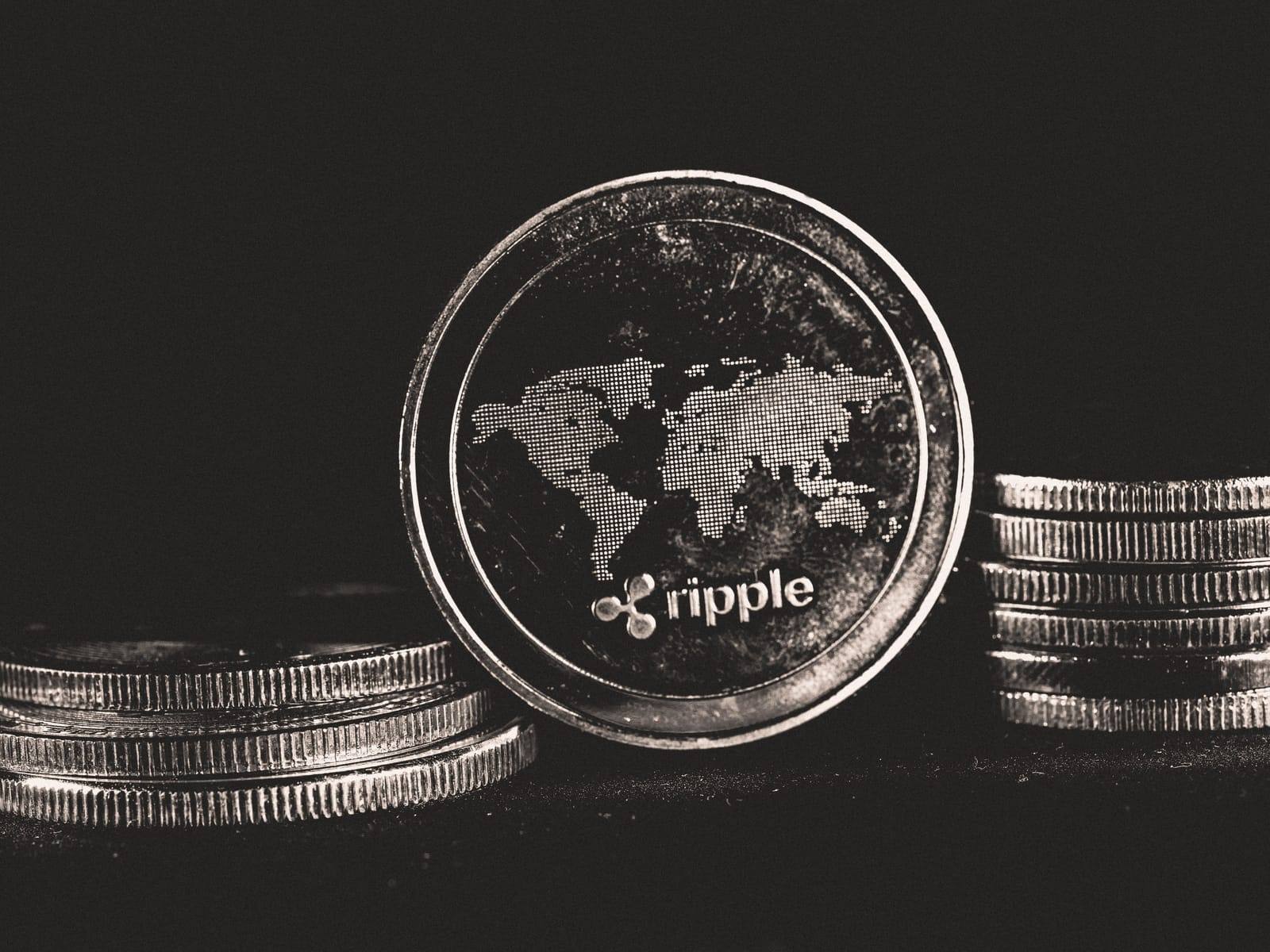
Look-alike coins
LUNC and LUNA share a logo heritage and a ticker history. On a wallet screen they can look almost identical, so read the chain name, not just the symbol.
Who keeps each chain running
Terra Classic has no company and no foundation in charge. The core code lives in the classic-terra GitHub organization, created in December 2022 after Terraform Labs stepped away. Developers propose upgrades, the community pays them from the community pool, and validators and stakers approve or reject each step by vote. You can follow that process on our governance page. The upside is independence. The downside is that progress depends on volunteers and on proposals passing, and some do not.
Terra 2.0 is maintained by the Phoenix Foundation, which publishes its code under the phoenix-directive GitHub organization and runs phoenix.money. Terraform Labs, the company that built the original Terra, has been winding down since 30 September 2024, and its old core repository has not been updated since late 2024. Neither coin is run by Terraform Labs any more, and neither has anything to do with the company's bankruptcy claims process.
Both chains use proof of stake, so holders on each can delegate coins to validators and vote. For the Classic side, our LUNC staking guide covers the 21-day unbonding period and the real, modest yields.
The two airdrop snapshots
LUNA 2.0 was not sold to the public at launch. It was airdropped to people who held assets on the old chain, using two snapshots. The first, block 7,544,910 on 7 May 2022, was the "pre-depeg" or "pre-attack" snapshot, taken just as UST began to wobble. The second, block 7,790,000 on 27 May 2022, was the "post-attack" snapshot, taken after the hyperinflation of the old LUNA. The new chain's 1 billion genesis coins were split as follows.
| Group | Snapshot | Share |
|---|---|---|
| Community pool | none | 30% |
| LUNA holders | pre-depeg, block 7,544,910 | 35% |
| aUST holders (Anchor deposits) | pre-depeg, block 7,544,910 | 10% |
| LUNA holders | post-attack, block 7,790,000 | 10% |
| UST holders | post-attack, block 7,790,000 | 15% |
Larger wallets received vested allocations. The airdrop was one-off.
The design favoured people who held before the crash: 45% of the new supply went to pre-depeg LUNA and aUST holders, while those who bought the hyperinflated coins late in May shared a smaller slice. The key point for anyone buying now is that the airdrop is history. It happened once, from those two snapshots, and holding LUNC now gives you no right to any LUNA.
Why you cannot swap LUNC to LUNA
"Swap LUNC to LUNA" is one of the most searched phrases about these coins, and the honest answer is short: there is no such swap. Terra 2.0 began from a fresh genesis file. It did not import the old chain's balances as a live link, it took a one-time picture of them and used that picture to hand out new coins. After that, the two ledgers never talked to each other again.
Because the chains are independent, there is no smart contract, bridge or protocol rule that burns LUNC and issues LUNA in return. Any website or app that promises a direct conversion at a fixed rate should be treated as a scam. Wallets that seem to "convert" are simply running two trades: they sell your LUNC for another asset and then buy LUNA with the proceeds, charging fees and spreads twice.
If you genuinely want to move value from one to the other, do it in plain sight. Sell LUNC for USDT on an exchange that lists it, then buy LUNA where it trades, and check the withdrawal status of both coins before you start. Our LUNC swap guide covers on-chain trades within Terra Classic, and the LUNC exchange list shows which venues carry which coin. Wrapped tokens add another layer of confusion, which we untangle on the wrapped LUNC page.
The exchange ticker trap
After the rename, exchanges did not agree on symbols. Some kept "LUNA" for the original coin, because that was the asset they already held for customers. Others gave "LUNA" to the new chain and created a "LUNC" symbol for the old one. The result is a trap that is very easy to fall into.
| Venue | “LUNA” means | Terra Classic listed as |
|---|---|---|
| Kraken | Terra Classic | LUNA (LUNA2 delisted Dec 2025) |
| Bitkub | Terra Classic | LUNA_THB |
| Bitvavo | Terra Classic | LUNA/EUR |
| Binance | Terra 2.0 | LUNC |
| OKX | Terra 2.0 | not listed (delisted Sep 2025) |
| BtcTurk | Terra 2.0 | not listed |
Thai readers should pay special attention. On Bitkub the pair named LUNA_THB is Terra Classic, and the Terra 2.0 pair LUNA2_THB is stopped. Our Thailand guide covers the local picture. In Indonesia, by contrast, Indodax uses LUNC for Terra Classic and LUNA for Terra 2.0. The safest habit is to check by price. LUNC has been priced in the hundred-thousandths of a dollar, while LUNA 2.0 has traded in cents, a gap of roughly a thousand times. If the number on your screen has four zeros after the decimal point, you are looking at LUNC.

Pick the right coin, then fund it
Most LUNC routes start with USDT. Get USDT ready, send it to a venue that clearly lists Terra Classic, and confirm the price before you press buy.
Which one fits what you want
People hold LUNC for different reasons than they hold LUNA. LUNC is a community project with a huge supply, a 1.5% on-chain burn tax that governance can change by vote, and a culture built around burning coins and reviving the old chain. Its story is about shrinking supply and keeping a survivor alive. If that appeals to you, the next steps are our guides on how to buy LUNC and which wallets hold it.
LUNA 2.0 is a smaller, younger chain with a foundation behind it and no algorithmic stablecoin. Its supply is measured in about a billion coins, not trillions. It is not covered in depth on this site, which focuses on Terra Classic, but the difference in structure matters if you are choosing between them. Neither coin carries any promise of recovery, and both lost most of their early value. Our honest look at whether LUNC can recover covers the risks on the Classic side.
 Check the chain
FAQ
Can I convert or swap LUNC to LUNA?
No. Terra Classic (LUNC) and Terra 2.0 (LUNA) run on separate blockchains, and no swap, bridge or official conversion exists between them. The only way to go from one to the other is to sell LUNC for another asset such as USDT on an exchange and then buy LUNA with it.
What is the difference between LUNA and LUNC?
LUNC is the coin of Terra Classic, the original chain (columbus-5) that crashed in May 2022 and is now run by its community. LUNA is the coin of Terra 2.0 (phoenix-1), a new chain launched on 28 May 2022 and maintained by the Phoenix Foundation. They have different supplies, prices, software and governance.
Is Luna Classic the same as LUNA 2.0?
No. Luna Classic is another name for LUNC, the renamed original LUNA. LUNA 2.0, often listed as LUNA2, is the new coin that was airdropped to holders of the old chain when Terra 2.0 started.
Why does my exchange call LUNC by the name LUNA?
Some venues kept the original ticker after the 2022 rename. Kraken, Bitkub and Bitvavo list Terra Classic as LUNA, while Binance, OKX and BtcTurk use LUNA for Terra 2.0. Check the price and the full asset name before you trade.
Will buying LUNC now give me any LUNA?
No. The LUNA airdrop was a one-time event based on snapshots taken in May 2022 at blocks 7,544,910 and 7,790,000. Buying or holding LUNC now gives no LUNA entitlement.
Sources
- Terra docs — Terra 2.0 genesis, snapshots and airdrop allocation · protocol documentation
- Terra Classic core repository (classic-terra) · source code
- Phoenix Foundation repository (phoenix-directive) · source code
- Kraken — notice of scheduled delistings, Dec 2025 · exchange announcement
- CoinGecko — Terra Luna Classic (LUNC) · market data
- CoinGecko — Terra (LUNA 2.0) · market data